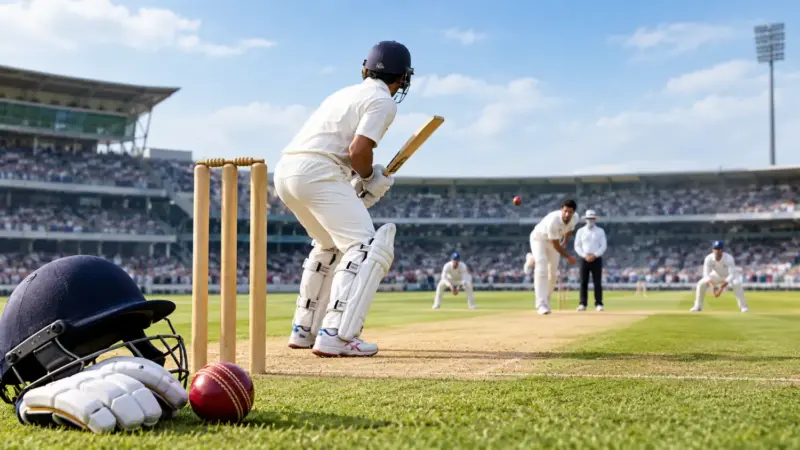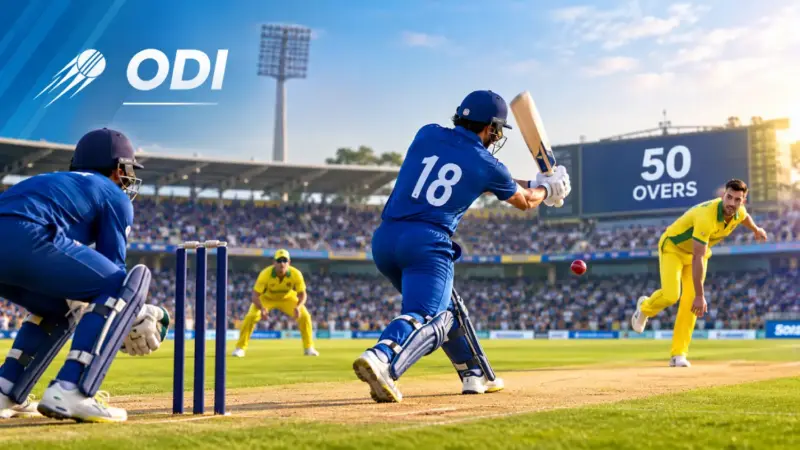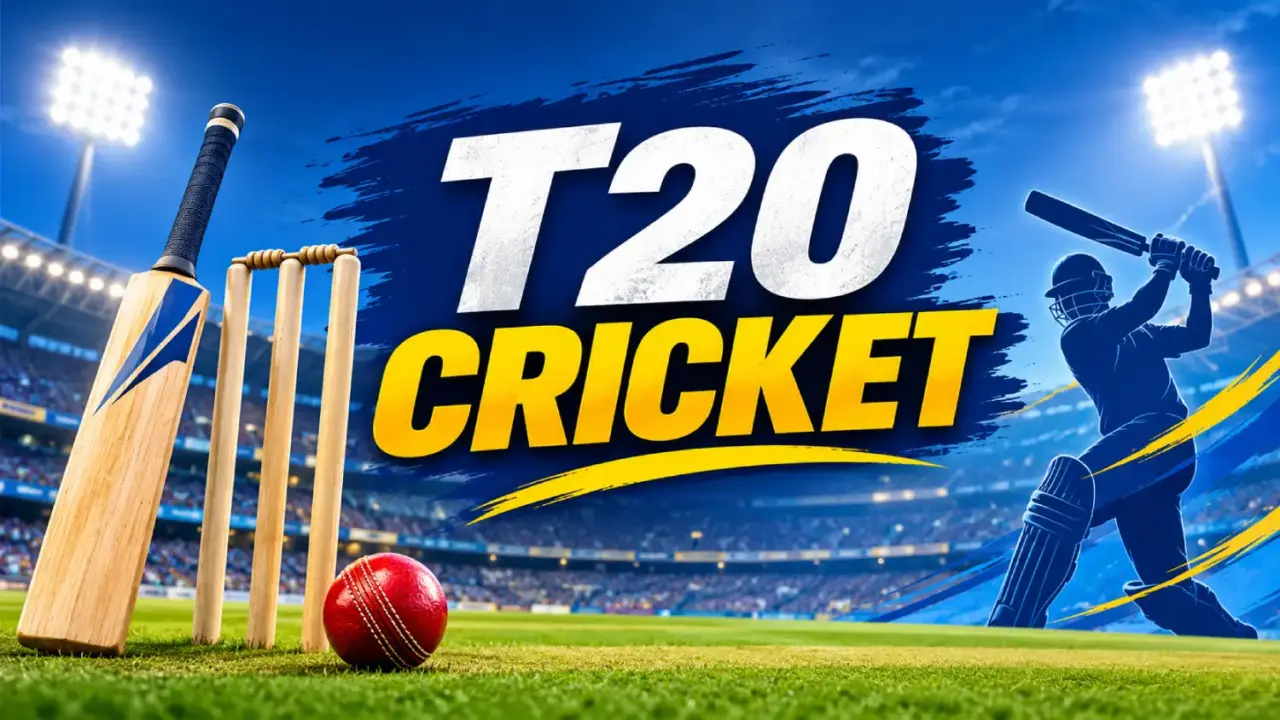
The first ball. The crowd roars. The fireworks. The three-hour format. The game changed.
T20 cricket redefined the sport. The 20 overs. The 120 balls. The aggression. The format sits at the centre. The game sits transformed.
This guide explains T20 cricket. The rules. The tactics. The numbers. The evolution. What the format does well. What it gets wrong.
Twenty Overs, One Revolution
T20 cricket is the shortest international format. Each side bats for 20 overs. The innings run 120 balls. The match sits in three hours. The format changed the game.
The format arrived in 2003. The England and Wales Cricket Board introduced the format for county cricket. The first Men’s T20 International followed in 2005. The global game adopted the format.
The 2007 World T20 changed the scale. India won the tournament. The final drew over 400 million TV viewers. The number sits at the top. The format sat proven. The IPL launched in 2008. The franchise leagues followed. The global spread sits complete.
The T20 format in modern cricket has grown in importance. The early game sat as an experiment. The modern game sits as the engine. The broadcast money. The franchise leagues. The global calendar. The format sits at the centre.
The format sits simple to describe. The execution sits complex. The 20 overs. The 120 balls. The four-over spells. The fielding restrictions. The rules shape the game.
Six Overs Up, Fourteen Down
The rules shape the format. The powerplay. The middle overs. The death overs. The fielding restrictions. The bowling limits. The free hit.
The powerplay. The first six overs. The field sits restricted. A maximum of two fielders sit outside the 30-yard circle. The batters attack. The gaps sit open. The boundaries come.
The middle overs. The overs seven to fifteen. The field spreads. The spinners bowl. The batters rotate the strike. The boundaries sit harder. The wickets sit crucial.
The death overs. The overs sixteen to twenty. The field spreads further. The batters attack. The finishers close. The bowlers bowl the yorker. The slower ball. The runs sit high.
The bowling limits. Each bowler bowls a maximum of four overs. The captain juggles the options. The death specialist. The spin control. The matchups sit planned.
The free hit. The no-ball costs one run. The next delivery sits as a free hit. The batter cannot be dismissed caught. LBW. Bowled. The batter swings. The field sits spread. The free hit sits valuable.
The innings break. The ICC reduced the break from 20 minutes to 15 minutes. The pace sits faster. The format sits tighter.
The rules shape the tactics. The phases sit defined. The captain plans the overs. The batters plan the risks. The format sits structured.
The Tactics of the Short Format
The format carries its tactics. The aggressive openers. The anchor. The finishers. The death bowlers. The spin control. The matchups.
The aggressive openers. The top order attacks. The powerplay sits used. The openers clear the infield. The runs come fast. The wicket sits risked.
The anchor. The anchor role has declined. The post-2016 data shows the shift. The teams cannot afford a slow accumulator. The strike rate sits at the centre. The anchor sits nearly extinct.
The finishers. The death overs belong to the finishers. The power-hitting. The boundary clearing. The final five overs sit decisive. The finishers sit specialised.
The death bowlers. The specialists bowl the final overs. The yorker. The slower ball. The wide line. The death bowler faces the best hitters. The role sits at the edge.
The spin control. The wrist spin resurged after 2016. The Rashid Khan. The Adam Zampa. The variations turned the matches. The spinners control the middle overs. The role sits crucial.
The matchups. The data drives the plans. The left-armer to the left-hander. The leg-spinner to the right-hander. The captain picks the matchups. The format sits tactical.
The tactics evolve. The data shapes the plans. The matchups sit central. The format rewards the smart cricket.
What the Scoreboard Says Now
The numbers define T20. The strike rates. The economy rates. The boundary percentage. The scoring rates.
The strike rates. India’s T20I strike rate climbed from 130 in 2021 to 165 in 2026. The number sits at the top. The aggression sits at the centre.
The six-hitting. India hit a six every 20.49 deliveries in 2021. The number halved by 2026. The six sits common. The boundary sits expected.
The team totals. The 200+ scores sit as par. The number occurs in one of five games on average. The high totals sit normal.
The records. England scored 304/2 against South Africa in 2025. The highest total by a Full Member nation. Zimbabwe scored 344/4 against Gambia in 2024. The all-time highest. The numbers sit at the top.
The economy rates. The bowlers concede more. The death overs sit expensive. The economy sits above nine. The bowler’s task sits harder.
The numbers show the shift. The format rewards the aggression. The bowlers sit under pressure. The scoreboard sits higher.
Two Decades of Change
The format evolved since 2003. The rules shifted. The tactics changed. The game sits transformed.
The early format. The 2003 county game. The 2005 first T20I. The format sat as an experiment. The scoring sat moderate. The tactics sat simple.
The IPL effect. The 2008 IPL. The franchise leagues followed. The money arrived. The players specialised. The format sat professional.
The tactical shift. The anchor declined. The wrist spin resurged. The multi-skilled players became prerequisites. The lineups stretched to numbers eight and nine with genuine batting ability. The retired-out became a live tactical option. The teams pull out the batters who cannot find the boundaries.
The data revolution. The phase targets. The matchups. The scoring zones. The analysts built the plans. The format sat data-driven.
The global spread. The T20 World Cups. The franchise leagues. The associate nations. The format sat global.
The evolution shows the pattern. The format changed the sport. The tactics adapted. The game sits at a different level.
The Case for the Short Format
T20 cricket does well. The entertainment. The accessibility. The global reach. The innovation.
The entertainment. The three-hour format. The fireworks. The crowd. The broadcast. The product sits strong. The fans sit engaged.
The accessibility. The format fits the schedule. The evening games. The family crowds. The new fans. The audience sits wider.
The global reach. The associate nations play the format. The World Cup sits inclusive. The game sits spread. The format sits as the growth engine.
The innovation. The scoop. The reverse sweep. The slower ball. The variations. The format rewards the new skills. The game sits creative.
The case sits strong. The format delivers. The sport reached the new markets. The revenue climbed. The game sits healthier.
The Bill for the Boom
T20 cricket gets things wrong. The bowler’s struggle. The predictability. The skill dilution. The workload.
The bowler’s struggle. The gap between bat and ball widened. The batters evolve faster. The bowlers sit under pressure. The economy sits high. The wickets sit harder. The craft sits tested.
The predictability. The data dominates. The matchups. The phase targets. The improvisation sits reduced. The tactical innovation may become formulaic. The format sits scripted.
The skill dilution. The anchor role sits nearly extinct. The teams cannot afford a slow accumulator. The format narrows the range of batting skills rewarded. The patient innings sit rare.
The workload. The franchise leagues crowd the calendar. The mental fatigue sits real. The Morne Morkel cited the schedule congestion. The bowler’s body sits tested. The ICC formed a committee to assess the harmonisation. The workload sits unresolved.
The bill sits real. The format’s success carries the cost. The bowler. The calendar. The skills. The reader must weigh both.
From Mumbai to Melbourne
T20 cricket spans the globe. The IPL. The BBL. The PSL. The CPL. The international game.
The IPL. The Indian league. The biggest franchise tournament. The global stars. The broadcast money. The format sits at the top.
The BBL. The Australian league. The summer window. The family crowds. The format sits popular.
The PSL. The Pakistan league. The passionate fans. The emerging talent. The format sits competitive.
The CPL. The Caribbean league. The party atmosphere. The six-hitting. The format sits entertaining.
The international game. The T20 World Cups. The bilateral series. The associate nations. The format sits global.
The leagues shape the game. The players travel. The calendars collide. The format sits interconnected.
Read More Blogs :
1. Test Cricket
2. ODI Cricket
The Future of the Format
The format faces changes. The rules. The technology. The player burnout. The global calendar.
The rules. The cricket committees review the rules. The impact player. The short run. The fielding restrictions. The format sits tested.
The technology. The DRS. The tracking. The analytics. The format sits data-driven. The technology shapes the tactics.
The player burnout. The workload sits heavy. The mental fatigue sits real. The players speak out. The format sits challenged.
The global calendar. The franchise leagues crowd the window. The ICC committee sits formed. The harmonisation sits pending. The format sits unresolved.
The future sits open. The format evolves. The game sits changing.
The Three-Hour Game That Redefined Cricket
T20 cricket, at its core, is the short format. The 20 overs. The 120 balls. The three hours. The game changed.
The evidence holds. The rules. The tactics. The numbers. The evolution. The record speaks.
The gaps hold too. The bowler’s struggle sits outside. The workload sits outside. The format sits one piece. The modern game reads it alongside the context.
T20 cricket in modern cricket has grown from an experiment to the engine. It defines the modern game. Understanding how T20 cricket works is the key to reading the short format.
[ Log In Our Website ]